
The Unsung Hero: Unveiling the Multifaceted Benefits of Folic Acid
Folic acid, also known as vitamin B9, is a water-soluble vitamin that plays a crucial role in numerous bodily functions. While it’s widely recognized for its importance during pregnancy, its benefits extend far beyond prenatal health. This comprehensive exploration delves into the diverse advantages of folic acid, examining its impact on various aspects of human health.
Folic acid is essential for cell growth and division, DNA synthesis, and the formation of red blood cells. It acts as a coenzyme in various metabolic processes, facilitating the transfer of single-carbon units necessary for the synthesis of nucleic acids and amino acids. This fundamental role underpins its involvement in numerous physiological functions.
Neural Tube Defect Prevention
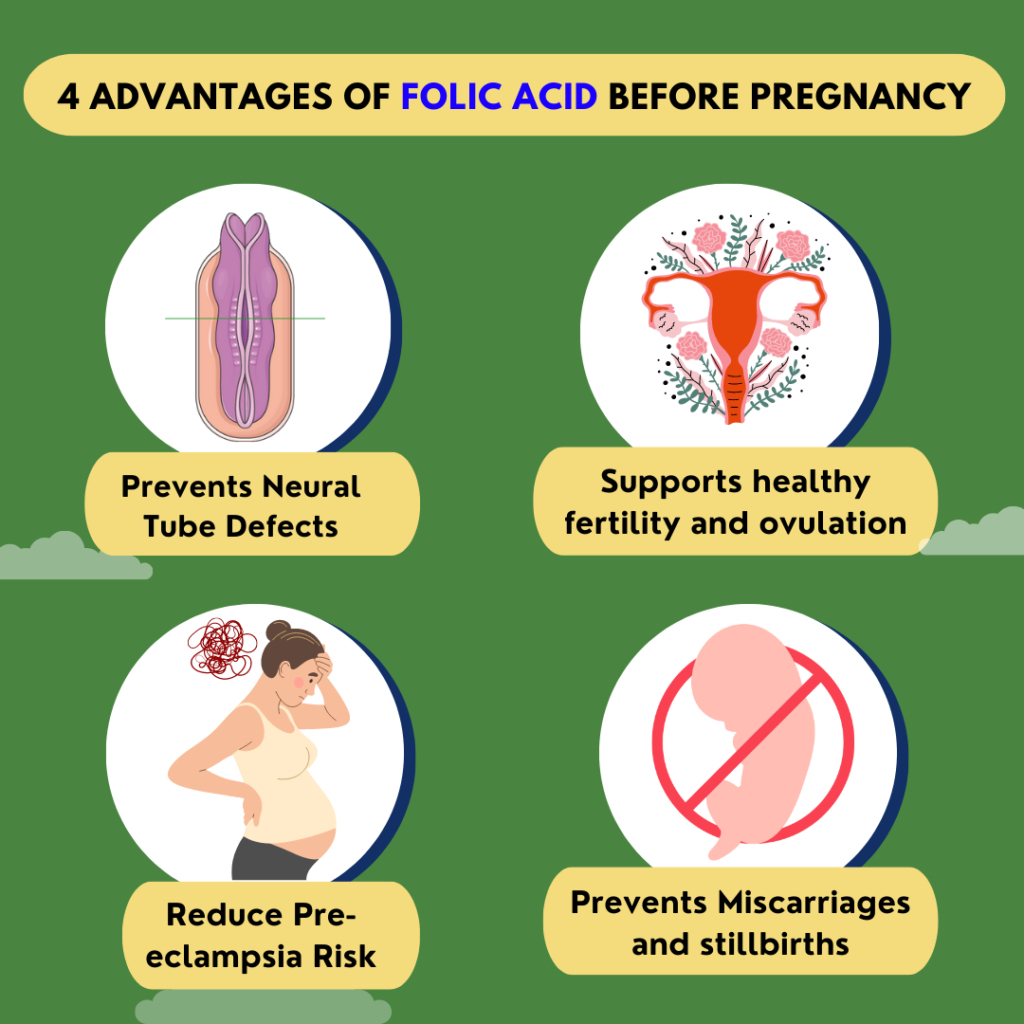
The most well-known benefit of folic acid is its ability to prevent neural tube defects (NTDs) in developing fetuses. NTDs, such as spina bifida and anencephaly, are severe birth defects that occur when the neural tube, which forms the brain and spinal cord, fails to close properly during the first few weeks of pregnancy. Adequate folic acid intake during this critical period significantly reduces the risk of these defects.
Supporting Placental Development
Folic acid contributes to the healthy development of the placenta, the organ that provides nutrients and oxygen to the growing fetus. A healthy placenta is crucial for a successful pregnancy and the baby’s overall well-being.
Reducing the Risk of Other Congenital Anomalies
Beyond NTDs, folic acid may also help reduce the risk of other congenital anomalies, including cleft lip and palate, and certain heart defects.
Preventing Preeclampsia
:max_bytes(150000):strip_icc()/folic-acid-for-fibromyalgia-chronic-fatigue-syndrome-715983-01-a47803e292564d45b0ae7ec784a77e6b-30f6ef60d8534ebab95c45b1e6770995.png "image.title")
Some studies suggest that adequate folic acid intake may lower the risk of preeclampsia, a serious pregnancy complication characterized by high blood pressure and organ damage.
Lowering Homocysteine Levels
Homocysteine is an amino acid that, when present in high levels, is associated with an increased risk of cardiovascular disease. Folic acid plays a role in converting homocysteine to methionine, an essential amino acid. Therefore, adequate folic acid intake can help lower homocysteine levels and reduce the risk of heart disease and stroke.
Improving Endothelial Function
The endothelium is the lining of blood vessels. Folic acid has been shown to improve endothelial function, which is crucial for maintaining healthy blood flow and preventing atherosclerosis (plaque buildup in arteries).
Reducing Blood Pressure
:max_bytes(150000):strip_icc()/VWH-Nutrition-Folic-Acid-cb68f5920330434da5045f580e2546fe.jpg "image.title")
Some studies have indicated that folic acid supplementation may help lower blood pressure, particularly in individuals with hypertension.
Cognitive Function and Memory
Folic acid is essential for the synthesis of neurotransmitters, which are chemical messengers in the brain. Adequate folic acid intake may support cognitive function and memory, particularly in older adults.
Depression and Mood Regulation
Folic acid plays a role in the production of serotonin, a neurotransmitter that regulates mood. Some studies have suggested that folic acid supplementation may be beneficial for individuals with depression, especially when used in conjunction with antidepressants.
Preventing Cognitive Decline
Research indicates that maintaining adequate folic acid levels may help protect against age-related cognitive decline and dementia.
DNA Synthesis and Repair
Folic acid’s role in DNA synthesis and repair is crucial for maintaining genomic stability. Adequate folic acid intake may help prevent DNA damage, which can lead to cancer.
Colorectal Cancer
Some studies have suggested that folic acid may reduce the risk of colorectal cancer, although the evidence is not conclusive.
Other Cancers
Research is ongoing to explore the potential role of folic acid in preventing other types of cancer, including breast, lung, and pancreatic cancer. However, more studies are needed to confirm these findings.
Preventing Megaloblastic Anemia
Folic acid is essential for the production of healthy red blood cells. A deficiency in folic acid can lead to megaloblastic anemia, a condition characterized by large, immature red blood cells that cannot carry oxygen efficiently.
Supporting Overall Blood Health
Adequate folic acid intake is crucial for maintaining overall blood health and preventing anemia.
Supporting Neurotransmitter Synthesis
Folic acid is involved in the synthesis of neurotransmitters such as serotonin, dopamine, and norepinephrine, which play crucial roles in mood regulation, cognition, and behavior.
Reducing Symptoms of Depression
Several studies have examined the relationship between folic acid and depression. Some have found that folic acid supplementation, particularly in combination with antidepressants, can improve symptoms of depression.
Supporting Cognitive Function in Psychiatric Conditions
Folic acid may play a role in supporting cognitive function in individuals with psychiatric conditions such as schizophrenia and bipolar disorder.
Cell Proliferation and Tissue Repair
Folic acid’s role in cell growth and division is essential for wound healing. It supports the proliferation of cells necessary for tissue repair and regeneration.
Collagen Synthesis
Folic acid contributes to collagen synthesis, which is crucial for the structural integrity of skin and other tissues.
Sperm Health
Folic acid is vital for healthy sperm production and function. Adequate folic acid intake in men may improve sperm count, motility, and morphology.
Ovulation and Egg Quality
In women, folic acid plays a role in ovulation and egg quality. Ensuring adequate folic acid levels may improve fertility and increase the chances of conception.
Leafy Green Vegetables
Leafy green vegetables, such as spinach, kale, and collard greens, are excellent sources of folic acid.
Citrus Fruits
Citrus fruits, such as oranges, grapefruits, and lemons, contain significant amounts of folic acid.
Legumes
Legumes, such as lentils, chickpeas, and black beans, are rich in folic acid.
Fortified Foods
Many foods, such as breakfast cereals, bread, and pasta, are fortified with folic acid.
Liver
Liver is a very rich source of folic acid, but should be consumed in moderation due to high Vitamin A content.
Recommended Daily Intake
The recommended daily intake of folic acid for adults is 400 mcg. Pregnant women should consume at least 600 mcg per day.
Supplementation Considerations
It is important to consult with a healthcare professional before starting any folic acid supplementation, especially if you are taking other medications or have any underlying health conditions.
Potential Side Effects
Folic acid is generally safe when taken in recommended doses. However, high doses may cause side effects such as nausea, abdominal cramps, and diarrhea.
Folic acid is an essential nutrient that plays a vital role in numerous aspects of human health. From preventing birth defects to supporting cardiovascular and brain health, its benefits are far-reaching. Ensuring adequate folic acid intake through a healthy diet and, if necessary, supplementation is crucial for maintaining optimal health and well-being. By taking proactive steps to maintain adequate folic acid levels, individuals can reap the numerous advantages of this unsung hero of essential nutrients.


