Understanding Your Blood Pressure Readings: A Comprehensive Guide
Blood pressure, a fundamental vital sign, reflects the force of your blood pushing against the walls of your arteries. Regular monitoring and understanding of your blood pressure readings are crucial for maintaining cardiovascular health and preventing serious complications. This article delves into the intricacies of blood pressure, providing a comprehensive guide to interpreting your readings and taking proactive steps for a healthier life.
What is Blood Pressure?
Blood pressure is measured in millimeters of mercury (mmHg) and consists of two numbers:
Blood Pressure Chart: How to Read and What it Means
Systolic Pressure (the top number): This represents the pressure in your arteries when your heart contracts and pumps blood.
Diastolic Pressure (the bottom number): This represents the pressure in your arteries when your heart relaxes between beats.
A typical blood pressure reading is expressed as systolic over diastolic, for example, 120/80 mmHg.
Categories of Blood Pressure
The American Heart Association (AHA) and other leading health organizations have established guidelines for categorizing blood pressure readings. These categories help healthcare professionals and individuals understand their risk and determine appropriate management strategies.
Normal Blood Pressure
Reading the new blood pressure guidelines – Harvard Health
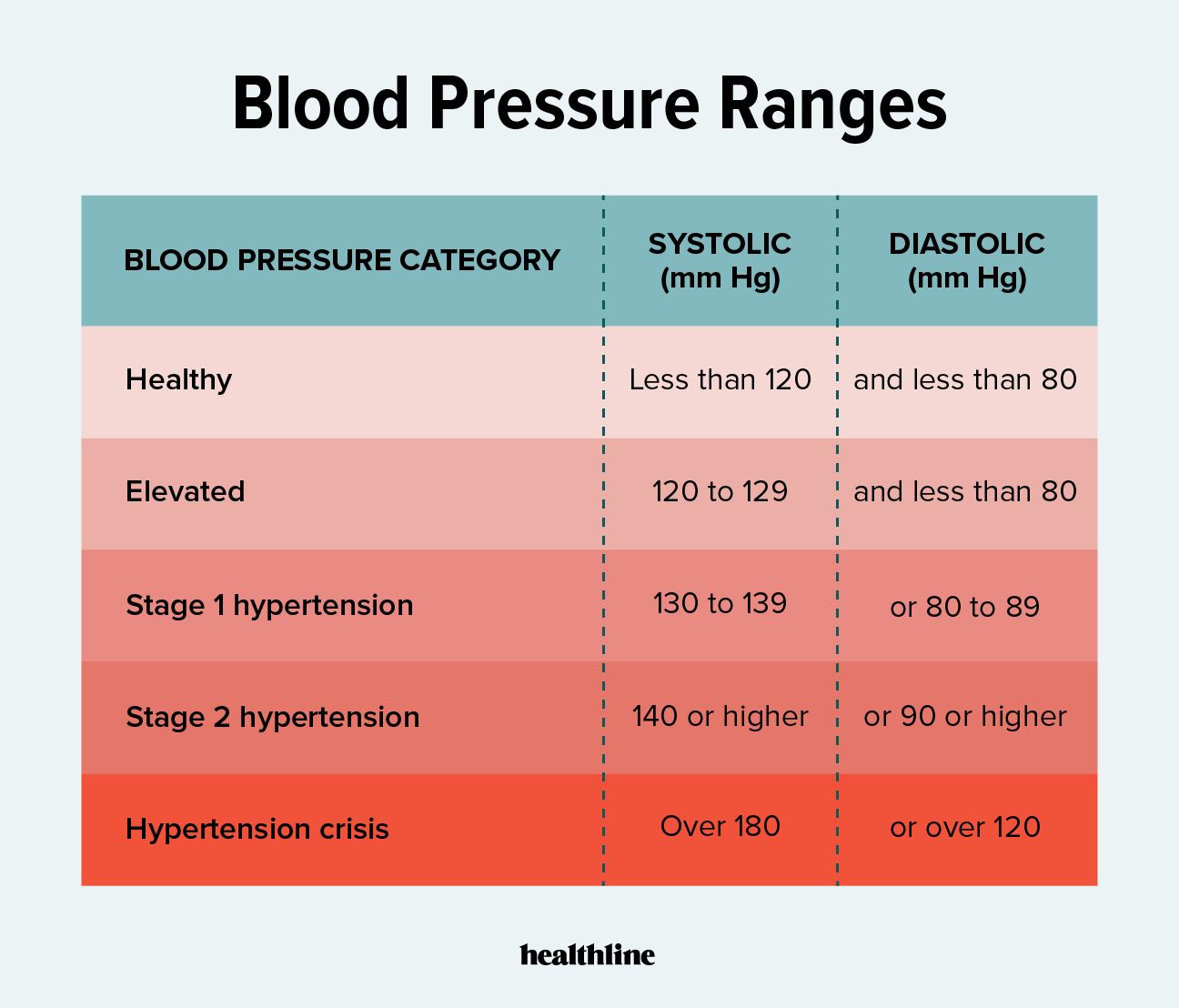
A normal blood pressure reading is less than 120/80 mmHg. Maintaining a healthy lifestyle is essential for keeping your blood pressure within this range.
Elevated Blood Pressure
Elevated blood pressure is defined as a systolic pressure between 120-129 mmHg and a diastolic pressure less than 80 mmHg. This category indicates a higher risk of developing hypertension in the future. Lifestyle modifications are often recommended to prevent progression.
Hypertension Stage 1
Stage 1 hypertension is diagnosed when systolic pressure is 130-139 mmHg or diastolic pressure is 80-89 mmHg. At this stage, lifestyle changes and, in some cases, medication may be necessary.
Hypertension Stage 2
Stage 2 hypertension is defined as a systolic pressure of 140 mmHg or higher or a diastolic pressure of 90 mmHg or higher. This category indicates a more severe form of hypertension, requiring more aggressive treatment, often including medication.
Hypertensive Crisis
A hypertensive crisis is a dangerous condition characterized by a systolic pressure higher than 180 mmHg or a diastolic pressure higher than 120 mmHg. This requires immediate medical attention to prevent organ damage. A Hypertensive crisis can either be Hypertensive urgency, or Hypertensive emergency. The emergency version requires immediate hospital care.
Factors Affecting Blood Pressure
Numerous factors can influence your blood pressure readings, including:
Age
Blood pressure tends to increase with age due to natural changes in the cardiovascular system.
Family History
A family history of hypertension increases your risk.
Lifestyle Factors
These include:
Diet high in sodium and saturated fats.
Lack of physical activity.
Excessive alcohol consumption.
Smoking.
Stress.
Obesity.
Medical Conditions
Certain medical conditions, such as kidney disease, sleep apnea, and thyroid disorders, can contribute to high blood pressure.
Medications
Some medications, including over-the-counter pain relievers and decongestants, can affect blood pressure.
How to Measure Blood Pressure Accurately
Accurate blood pressure measurement is crucial for proper monitoring and management. Here are some tips:
Use a Correctly Sized Cuff
The cuff size should be appropriate for your arm circumference.
Prepare for Measurement
Avoid caffeine, alcohol, and smoking for at least 30 minutes before measurement.
Rest for at least 5 minutes before taking your blood pressure.
Sit upright with your back supported and your feet flat on the floor.
Relax, avoid talking, and position the arm to be tested at heart level.
Take Multiple Readings
Take two or three readings, one minute apart, and average them.
Record your readings accurately, noting the date, time, and arm used.
Use a Validated Monitor
Ensure the monitor you’re using is validated and calibrated according to manufacturer instructions.
The Importance of Regular Monitoring
Regular blood pressure monitoring is essential for several reasons:
Early Detection
Regular monitoring helps detect hypertension early, allowing for timely intervention and preventing complications.
Management of Hypertension
For individuals with hypertension, regular monitoring helps assess the effectiveness of treatment and make necessary adjustments.
Risk Assessment
Regular monitoring provides valuable information about your cardiovascular risk and helps guide lifestyle modifications.
Tracking Progress
Regular monitoring allows you to track your progress and stay motivated in managing your blood pressure.
Lifestyle Modifications for Blood Pressure Management
Lifestyle modifications are the cornerstone of blood pressure management. These changes can help lower blood pressure and reduce the risk of cardiovascular disease.
Dietary Approaches to Stop Hypertension (DASH) Diet
The DASH diet emphasizes fruits, vegetables, whole grains, and low-fat dairy products. It is low in sodium, saturated fats, and cholesterol.
Reduce Sodium Intake
Aim for less than 2,300 milligrams (mg) of sodium per day, and ideally less than 1,500 mg per day for most adults.
Increase Physical Activity
Engage in at least 150 minutes of moderate-intensity or 75 minutes of vigorous-intensity aerobic exercise per week.
Maintain a Healthy Weight
Losing even a small amount of weight can significantly lower blood pressure.
Limit Alcohol Consumption
Men should limit alcohol intake to no more than two drinks per day, and women to no more than one drink per day.
Quit Smoking
Smoking damages blood vessels and increases the risk of cardiovascular disease.
Manage Stress
Practice stress-reduction techniques, such as yoga, meditation, or deep breathing exercises.
When to Seek Medical Attention
It’s essential to seek medical attention if:
Your blood pressure is consistently high
If your blood pressure readings are consistently in the hypertension range, consult your healthcare provider.
You experience symptoms
Symptoms of severely high blood pressure include severe headache, shortness of breath, chest pain, and vision changes.
You have concerns
If you have any concerns about your blood pressure or cardiovascular health, talk to your doctor.
Medications for Hypertension
In some cases, lifestyle modifications alone may not be sufficient to manage hypertension. Your healthcare provider may prescribe medication to help lower your blood pressure.
Types of Blood Pressure Medications
Common types of blood pressure medications include:
Thiazide diuretics
ACE inhibitors
Angiotensin II receptor blockers (ARBs)
Beta-blockers
Calcium channel blockers
Adherence to Medication
It’s crucial to take your medication exactly as prescribed and to follow up with your healthcare provider for regular monitoring.
Blood Pressure and Special Populations
Certain populations have unique considerations regarding blood pressure:
Pregnancy
High blood pressure during pregnancy can be dangerous for both the mother and the baby. Preeclampsia is a serious condition that requires close monitoring and medical management.
Children and Adolescents
Children and adolescents can also develop hypertension. Regular monitoring and healthy lifestyle habits are essential for preventing and managing high blood pressure in this age group.
Older Adults
Older adults are more likely to have isolated systolic hypertension, characterized by high systolic pressure and normal or low diastolic pressure.
The Future of Blood Pressure Monitoring
Advances in technology are improving blood pressure monitoring. Wearable devices and remote monitoring systems allow for continuous blood pressure measurement, providing valuable insights into cardiovascular health. Innovations in medical technology aim to give patients increased control over there own health.
Understanding your blood pressure readings empowers you to take control of your cardiovascular health. By adopting healthy lifestyle habits, monitoring your blood pressure regularly, and working closely with your healthcare provider, you can reduce your risk of complications and enjoy a healthier, longer life.