The Shadow and the Storm: Navigating Depression and Anxiety
Depression and anxiety, often intertwined, cast long shadows over millions of lives. They are not mere fleeting feelings of sadness or worry; they are complex mental health conditions that can significantly impair daily functioning, relationships, and overall well-being. This article aims to provide a comprehensive understanding of these conditions, exploring their symptoms, causes, and available treatment options.
Understanding the Dual Nature: Depression
Depression, clinically known as major depressive disorder, is characterized by persistent feelings of sadness, hopelessness, and a loss of interest or pleasure in activities once enjoyed. It’s a debilitating condition that affects not only mood but also physical health and cognitive function.
Depression vs. Anxiety: What’s the Difference?
Symptoms of Depression: A Multifaceted Experience
The symptoms of depression can vary in intensity and presentation, but they often include:
Persistent Sadness or Hopelessness: A deep, pervasive feeling of sadness that doesn’t lift, even in positive circumstances.
Loss of Interest or Pleasure (Anhedonia): A significant decrease in enjoyment from activities that were previously pleasurable.
Changes in Appetite or Weight: Significant weight loss or gain, or a decrease or increase in appetite.
Sleep Disturbances: Insomnia, hypersomnia (excessive sleepiness), or frequent awakenings.
Fatigue or Loss of Energy: Feeling constantly tired or drained, even after adequate sleep.
Feelings of Worthlessness or Excessive Guilt: Unwarranted self-criticism and feelings of inadequacy.
Difficulty Concentrating, Making Decisions, or Remembering Things: Cognitive impairment that affects daily tasks.
Restlessness or Irritability: Agitation, frustration, and a short temper.
Recurring Thoughts of Death or Suicide: Suicidal ideation or attempts, requiring immediate professional help.
Physical Symptoms: Unexplained aches and pains, headaches, or digestive problems.
The Roots of Depression: Unraveling the Causes
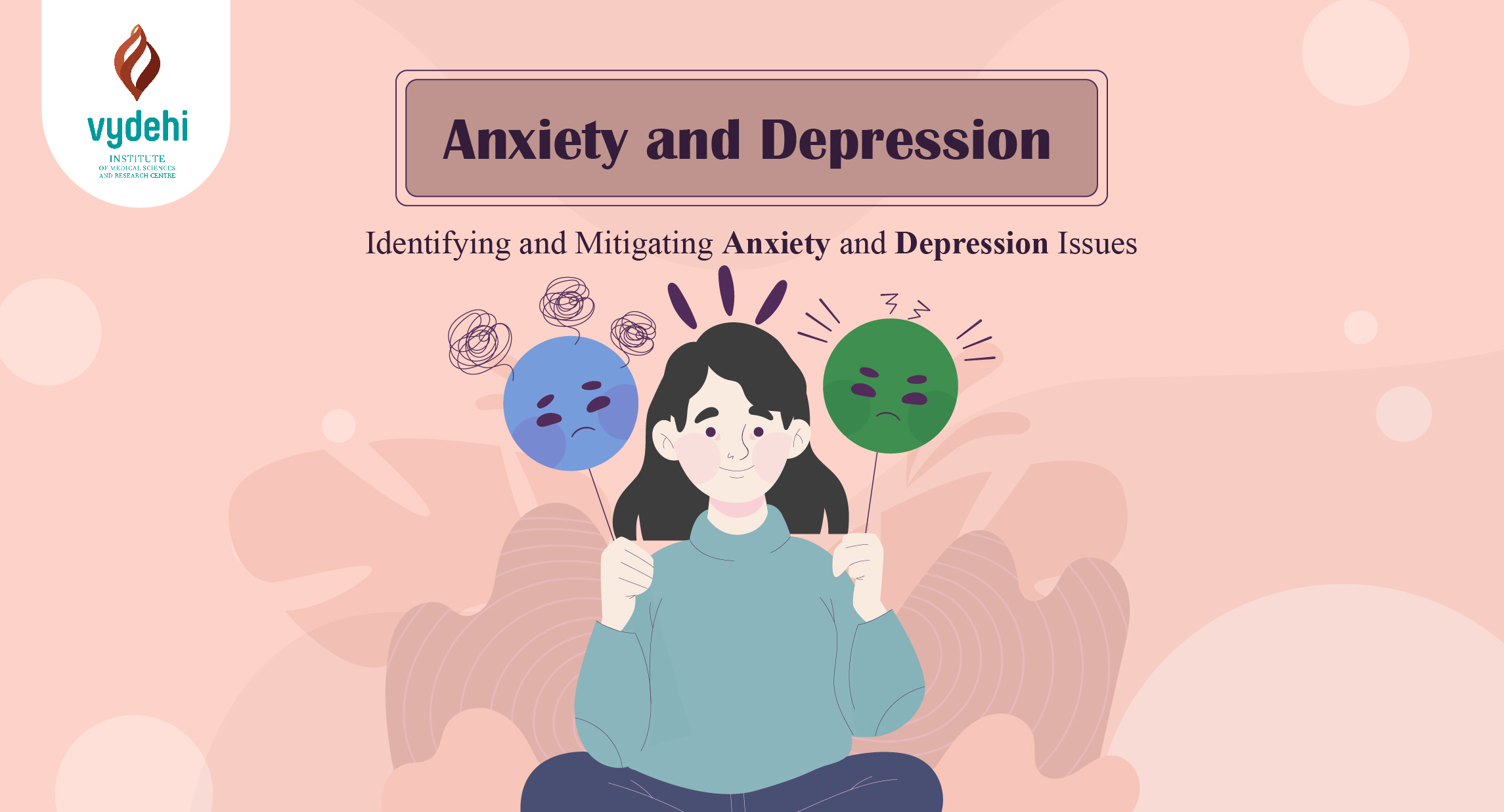
Identifying and Mitigating Anxiety and Depression Issues – VIMS
The causes of depression are multifaceted and often involve a combination of biological, psychological, and social factors:
Genetic Predisposition: Family history of depression can increase an individual’s risk.
Brain Chemistry: Imbalances in neurotransmitters, such as serotonin, dopamine, and norepinephrine, play a significant role.
Hormonal Changes: Fluctuations in hormone levels, such as those during pregnancy, postpartum, or menopause, can trigger depression.
Life Events: Stressful life events, such as bereavement, job loss, or relationship problems, can contribute to depression.
Medical Conditions: Chronic illnesses, such as heart disease, diabetes, or cancer, can increase the risk of depression.
Substance Abuse: Alcohol and drug use can exacerbate or trigger depressive symptoms.
Personality Traits: Certain personality traits, such as low self-esteem or pessimism, can increase vulnerability.
The Whirlwind of Worry: Anxiety
Anxiety is a natural human response to stress, but when it becomes excessive and persistent, it can develop into an anxiety disorder. These disorders are characterized by excessive fear, worry, and apprehension that interfere with daily life.
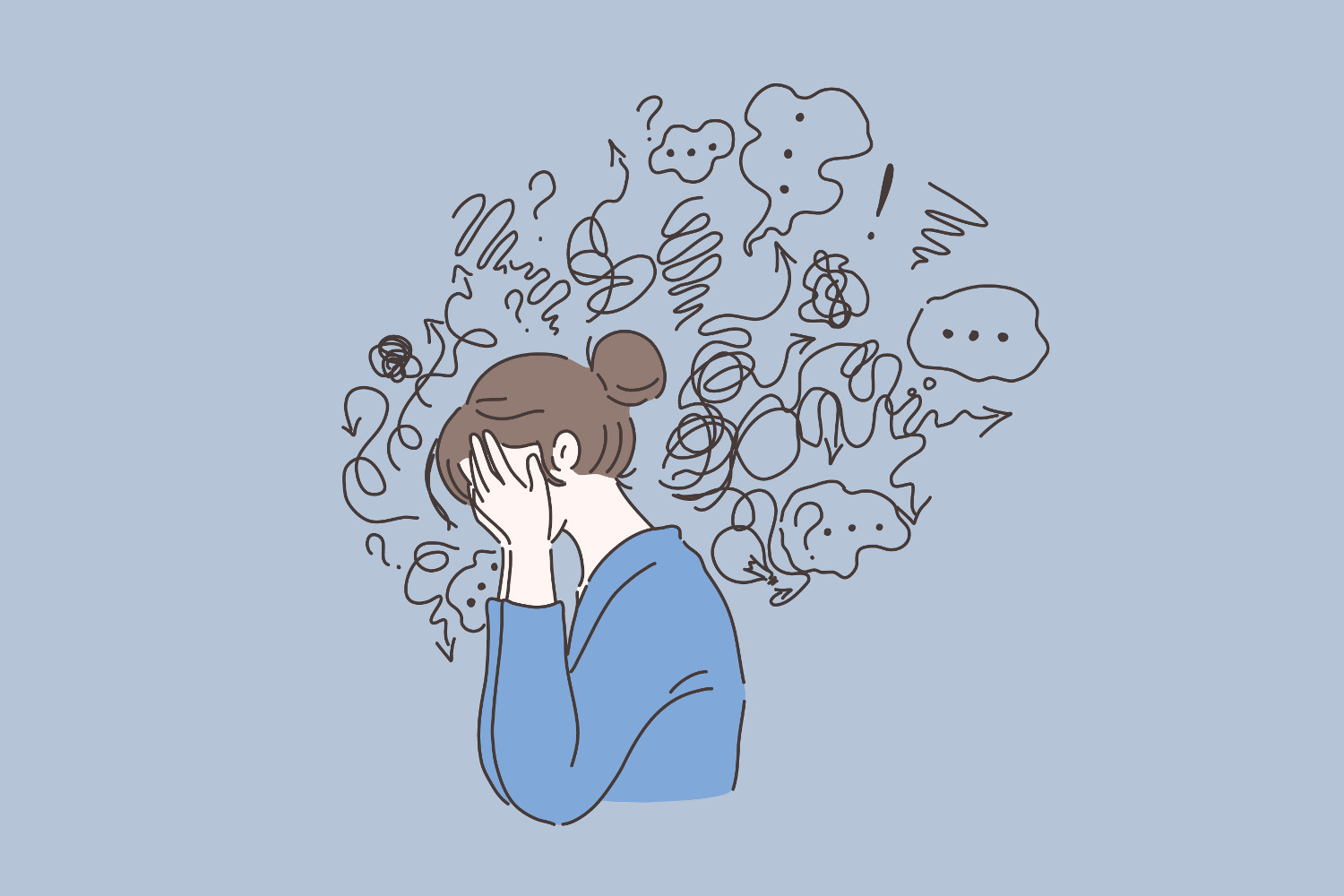
Anxiety & Depression – Can Remedial Massage Help? – Fremantle
Types of Anxiety Disorders: A Spectrum of Fear
There are several types of anxiety disorders, each with its unique characteristics:
Generalized Anxiety Disorder (GAD): Persistent and excessive worry about various aspects of life.
Panic Disorder: Recurrent and unexpected panic attacks, characterized by intense fear and physical symptoms.
Social Anxiety Disorder (SAD): Intense fear of social situations and scrutiny from others.
Specific Phobias: Intense and irrational fear of specific objects or situations.
Obsessive-Compulsive Disorder (OCD): Recurrent and intrusive thoughts (obsessions) and repetitive behaviors (compulsions).
Post-Traumatic Stress Disorder (PTSD): Develops after experiencing or witnessing a traumatic event.
Symptoms of Anxiety: The Body’s Alarm System
Anxiety symptoms can be both psychological and physical:
Excessive Worry or Fear: Persistent and uncontrollable worry about various things.
Restlessness or Feeling On Edge: Difficulty relaxing and feeling constantly tense.
Difficulty Concentrating or Mind Going Blank: Cognitive impairment due to anxiety.
Irritability or Short Temper: Increased frustration and agitation.
Muscle Tension: Tightness or pain in muscles, particularly in the neck and shoulders.
Sleep Disturbances: Difficulty falling asleep or staying asleep.
Panic Attacks: Sudden episodes of intense fear accompanied by physical symptoms like rapid heartbeat, shortness of breath, and dizziness.
Avoidance of Feared Situations: Actively avoiding situations that trigger anxiety.
Physical Symptoms: Increased heart rate, sweating, trembling, and digestive problems.
The Triggers of Anxiety: Unmasking the Causes
Similar to depression, anxiety disorders are influenced by a combination of factors:
Genetics: Family history of anxiety disorders can increase vulnerability.
Brain Chemistry: Imbalances in neurotransmitters, such as GABA and serotonin, play a role.
Environmental Factors: Stressful life events, trauma, and exposure to violence can trigger anxiety.
Medical Conditions: Certain medical conditions, such as thyroid problems or heart disease, can cause anxiety symptoms.
Substance Abuse: Alcohol and drug use can exacerbate or trigger anxiety.
Personality Traits: Certain personality traits, such as neuroticism or perfectionism, can increase vulnerability.
Co-occurrence: The Intertwined Dance of Depression and Anxiety
Depression and anxiety often co-occur, meaning that individuals may experience symptoms of both conditions simultaneously. This co-occurrence can make diagnosis and treatment more complex, as the symptoms can overlap and interact.
Seeking Help: Taking the First Step
If you or someone you know is experiencing symptoms of depression or anxiety, it’s crucial to seek professional help. Treatment options are available, and with the right support, individuals can manage their symptoms and improve their quality of life.
Treatment Options: A Path Towards Recovery
Treatment for depression and anxiety typically involves a combination of therapy, medication, and lifestyle changes:
Psychotherapy (Talk Therapy): Cognitive behavioral therapy (CBT), dialectical behavior therapy (DBT), and interpersonal therapy (IPT) are effective in addressing the underlying thoughts and behaviors that contribute to depression and anxiety.
Medication: Antidepressants, such as selective serotonin reuptake inhibitors (SSRIs) and serotonin-norepinephrine reuptake inhibitors (SNRIs), and anti-anxiety medications, such as benzodiazepines, can help regulate neurotransmitter levels and alleviate symptoms.
Lifestyle Changes: Regular exercise, a healthy diet, adequate sleep, and stress management techniques, such as mindfulness and meditation, can significantly improve mental health.
Support Groups: Connecting with others who share similar experiences can provide valuable support and reduce feelings of isolation.
Alternative Therapies: Acupuncture, yoga, and massage therapy may also be beneficial in managing symptoms.
Hospitalization: In cases of severe depression or anxiety, hospitalization may be necessary to ensure safety and provide intensive treatment.
Building Resilience: Empowering Yourself
While professional treatment is essential, individuals can also take steps to build resilience and manage their symptoms:
Developing Coping Skills: Learning healthy coping mechanisms, such as deep breathing exercises or journaling, can help manage stress and anxiety.
Setting Realistic Goals: Breaking down large tasks into smaller, manageable steps can reduce feelings of overwhelm.
Prioritizing Self-Care: Engaging in activities that promote relaxation and well-being, such as spending time in nature or pursuing hobbies.
Building a Support Network: Connecting with friends, family, or support groups can provide emotional support and reduce feelings of isolation.
Challenging Negative Thoughts: Identifying and challenging negative thought patterns can help reduce feelings of hopelessness and anxiety.
Maintaining a Healthy Lifestyle: Regular exercise, a balanced diet, and adequate sleep can improve overall mental and physical health.
Breaking the Stigma: Creating a Supportive Environment
Depression and anxiety are common mental health conditions, and it’s essential to break the stigma surrounding them. By creating a supportive and understanding environment, we can encourage individuals to seek help and promote mental wellness.
Conclusion: Embracing Hope and Healing
Depression and anxiety can be challenging to navigate, but they are treatable conditions. With the right support and treatment, individuals can manage their symptoms, build resilience, and live fulfilling lives. Remember, seeking help is a sign of strength, and recovery is possible.