
Ashwagandha: A Comprehensive Guide to its Benefits for Men
Ashwagandha ( Withania somnifera), an ancient medicinal herb, has been a cornerstone of Ayurvedic medicine for centuries. Traditionally used as a Rasayana (rejuvenator), it’s believed to promote physical and mental health, enhance resilience, and increase longevity. In recent years, scientific research has begun to validate many of these traditional claims, particularly concerning men’s health. This article explores the numerous benefits of ashwagandha for men, delving into its effects on testosterone, fertility, stress, muscle strength, and overall well-being.
Understanding Ashwagandha’s Mechanisms
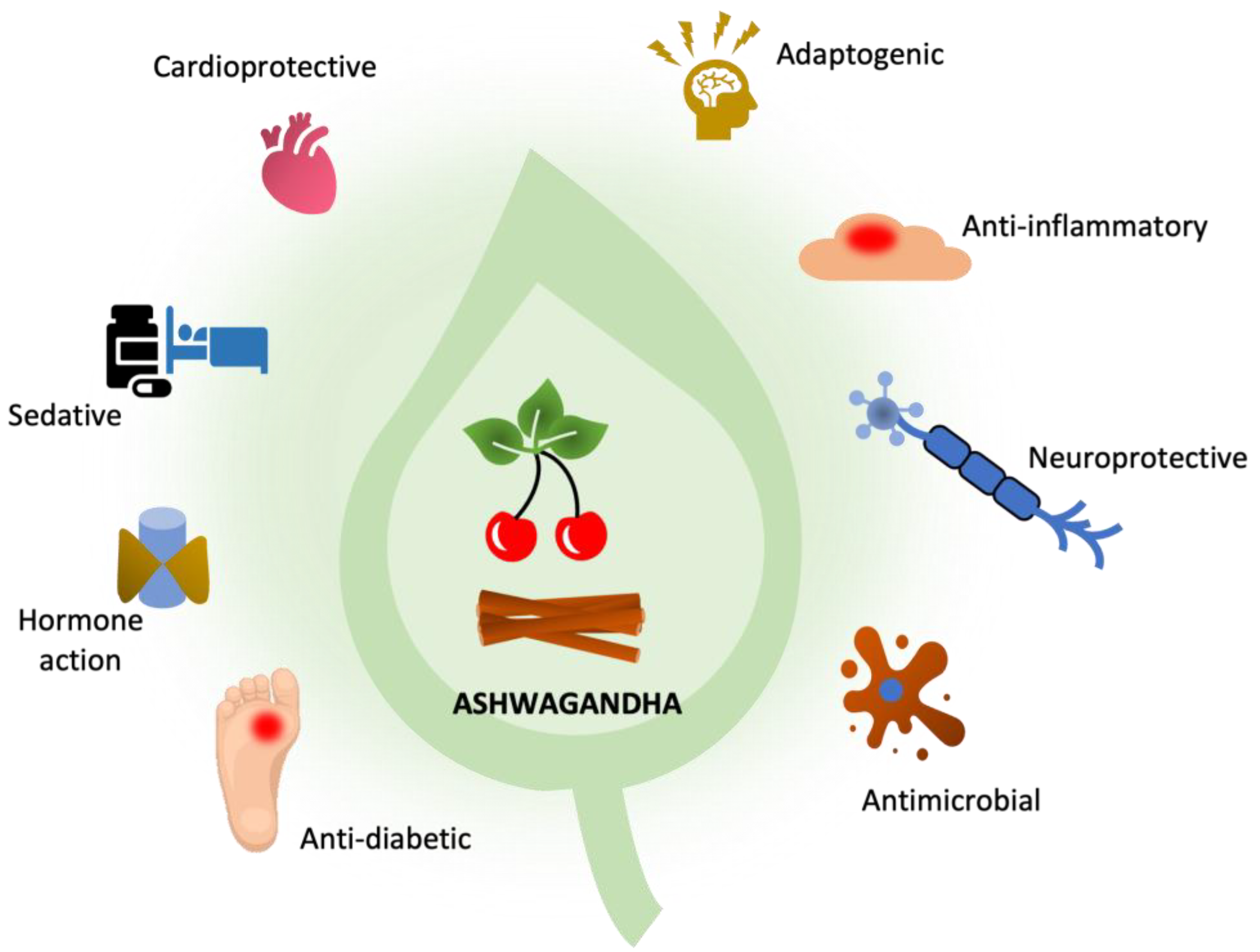
Ashwagandha is classified as an adaptogen, meaning it helps the body adapt to stress. Its primary bioactive compounds, withanolides, exhibit anti-inflammatory, antioxidant, and immunomodulatory properties. These compounds interact with various physiological systems, including the hypothalamic-pituitary-adrenal (HPA) axis, the nervous system, and the endocrine system, contributing to its diverse therapeutic effects.

Ashwagandha and Testosterone Levels
One of the most significant benefits of ashwagandha for men is its potential to boost testosterone levels. Testosterone plays a crucial role in male sexual function, muscle mass, bone density, and overall vitality.
Studies on Testosterone Enhancement
Several studies have investigated the effects of ashwagandha on testosterone. A study published in the Journal of Ayurveda and Integrative Medicine found that ashwagandha supplementation significantly increased testosterone levels in infertile men. Another study in the Journal of the International Society of Sports Nutrition demonstrated that ashwagandha supplementation increased testosterone levels and muscle strength in resistance-trained men.
Mechanisms Behind Testosterone Boost
The mechanisms by which ashwagandha increases testosterone are not fully understood, but several theories exist. It may reduce cortisol levels, which can indirectly increase testosterone production. It may also stimulate the release of luteinizing hormone (LH), which signals the testes to produce testosterone. Additionally, its antioxidant properties may protect the Leydig cells in the testes, which are responsible for testosterone synthesis.
Ashwagandha and Male Fertility
Beyond testosterone, ashwagandha has shown promise in improving various aspects of male fertility.
Improved Semen Quality
Research indicates that ashwagandha can improve semen quality by increasing sperm count, motility, and morphology. Studies have shown that it can also reduce oxidative stress in semen, which can damage sperm DNA.
Enhanced Reproductive Hormones
Ashwagandha’s influence on reproductive hormones extends beyond testosterone. It can also modulate the levels of follicle-stimulating hormone (FSH) and LH, which are essential for sperm production.
Reduction of Oxidative Stress
Oxidative stress is a major contributor to male infertility. Ashwagandha’s potent antioxidant properties help neutralize free radicals, protecting sperm cells from damage and improving overall fertility.
Ashwagandha and Stress Reduction
Chronic stress can negatively impact male health, affecting testosterone levels, sexual function, and overall well-being. Ashwagandha’s adaptogenic properties make it an effective stress reliever.
Regulation of the HPA Axis
Ashwagandha helps regulate the HPA axis, which is responsible for the body’s stress response. By modulating the release of cortisol, the stress hormone, it can reduce anxiety and improve mood.
Enhanced Cognitive Function
Studies have shown that ashwagandha can improve cognitive function, including memory, attention, and information processing. Reducing stress can indirectly contribute to improved cognitive performance.
Improved Sleep Quality
Stress often disrupts sleep patterns. Ashwagandha can promote relaxation and improve sleep quality, further contributing to stress reduction and overall well-being.
Ashwagandha and Muscle Strength and Recovery
Ashwagandha has gained popularity among athletes for its potential to enhance muscle strength, size, and recovery.
Increased Muscle Mass and Strength
Studies have shown that ashwagandha supplementation can lead to significant increases in muscle mass and strength, particularly when combined with resistance training.
Reduced Muscle Damage and Inflammation
Ashwagandha’s anti-inflammatory properties can reduce muscle damage and inflammation after exercise, promoting faster recovery.
Enhanced Exercise Performance
By improving muscle function and reducing fatigue, ashwagandha can enhance exercise performance.
Ashwagandha and Cardiovascular Health
Preliminary research suggests that ashwagandha may offer benefits for cardiovascular health.
Cholesterol and Triglyceride Reduction
Some studies have indicated that ashwagandha can help lower cholesterol and triglyceride levels, which are risk factors for heart disease.
Blood Pressure Regulation
Ashwagandha may also help regulate blood pressure, contributing to overall cardiovascular health.
Anti-inflammatory Effects
Its anti-inflammatory properties can protect the cardiovascular system from damage caused by chronic inflammation.
Ashwagandha and Cognitive Function
Beyond stress reduction, ashwagandha has shown promise in enhancing various aspects of cognitive function.
Improved Memory and Attention
Studies have demonstrated that ashwagandha can improve memory, attention, and information processing speed.
Neuroprotective Effects
Ashwagandha’s antioxidant and anti-inflammatory properties may protect brain cells from damage, reducing the risk of cognitive decline.
Reduction of Anxiety and Depression
By modulating neurotransmitter levels, ashwagandha can help reduce symptoms of anxiety and depression.
Ashwagandha and Immune System Support
Ashwagandha’s immunomodulatory properties can support a healthy immune system.
Enhanced Immune Cell Function
Studies have shown that ashwagandha can enhance the function of immune cells, increasing the body’s ability to fight off infections.
Anti-inflammatory and Antioxidant Effects
Its anti-inflammatory and antioxidant properties help protect immune cells from damage caused by free radicals and chronic inflammation.
Ashwagandha Dosage and Safety
While ashwagandha is generally considered safe, it’s essential to consult with a healthcare professional before taking it, especially if you have any underlying health conditions or are taking medications.
Recommended Dosage
The optimal dosage of ashwagandha can vary depending on individual needs and health conditions. Common dosages range from 300 to 500 mg of standardized ashwagandha extract once or twice daily.
Potential Side Effects
While generally safe, ashwagandha can cause mild side effects in some individuals, including upset stomach, diarrhea, and drowsiness.
Contraindications
Ashwagandha is not recommended for pregnant or breastfeeding women. It may also interact with certain medications, such as thyroid medications, immunosuppressants, and sedatives.
Choosing a Quality Ashwagandha Supplement
When choosing an ashwagandha supplement, look for products that are:
Standardized Extracts
Standardized extracts ensure consistent potency and efficacy.
Third-Party Tested
Third-party testing verifies the quality and purity of the supplement.
Reputable Brands
Choosing a reputable brand can ensure you are getting a high-quality product.
Conclusion
Ashwagandha offers a multitude of benefits for men, ranging from boosting testosterone and improving fertility to reducing stress and enhancing muscle strength. Its adaptogenic, anti-inflammatory, and antioxidant properties make it a valuable herb for promoting overall health and well-being. However, it’s essential to consult with a healthcare professional before taking ashwagandha, especially if you have any underlying health conditions or are taking medications. By incorporating ashwagandha into a healthy lifestyle, men can experience significant improvements in their physical and mental health.


