
Navigating the Labyrinth of Constipation Relief: A Comprehensive Guide to Medicines
Constipation, a common digestive woe, can significantly impact quality of life. Characterized by infrequent bowel movements, hard stools, and straining during defecation, it affects millions worldwide. While lifestyle modifications, such as increased fiber intake and hydration, are often the first line of defense, sometimes medication becomes necessary. This article delves into the various types of constipation medicines, their mechanisms of action, potential side effects, and important considerations for safe and effective use.
Before exploring medication options, it’s crucial to understand the underlying mechanisms of constipation. Normal bowel function relies on a complex interplay of factors, including:
Muscle contractions: The colon’s muscles propel stool through the digestive tract.
Disruptions in any of these processes can lead to constipation. Factors contributing to constipation include:
Low fiber diet

When lifestyle changes prove insufficient, various medications can provide relief. These medications can be broadly classified into several categories, each with its unique mechanism of action.
1. Bulk-Forming Laxatives: Fiber’s Pharmaceutical Cousin
Bulk-forming laxatives, such as psyllium (Metamucil), methylcellulose (Citrucel), and calcium polycarbophil (FiberCon), work by mimicking the action of dietary fiber. They absorb water in the intestine, forming a bulky, gel-like mass that stimulates bowel movements.
Mechanism of Action: They increase stool bulk and water content, promoting peristalsis (muscle contractions) and facilitating easier passage of stool.
2. Osmotic Laxatives: Drawing Water into the Colon
Osmotic laxatives, including polyethylene glycol (MiraLAX), lactulose, and magnesium hydroxide (Milk of Magnesia), work by drawing water into the colon, softening stool and increasing its volume.
Mechanism of Action: They create an osmotic gradient, pulling water from the body into the colon, which softens stool and stimulates bowel movements.
3. Stimulant Laxatives: Kickstarting Bowel Movements
Stimulant laxatives, such as bisacodyl (Dulcolax) and senna (Senokot), work by directly stimulating the intestinal muscles, triggering bowel contractions.
Mechanism of Action: They irritate the intestinal lining, stimulating peristalsis and promoting bowel movements.
4. Stool Softeners (Emollients): Lubricating the Passage
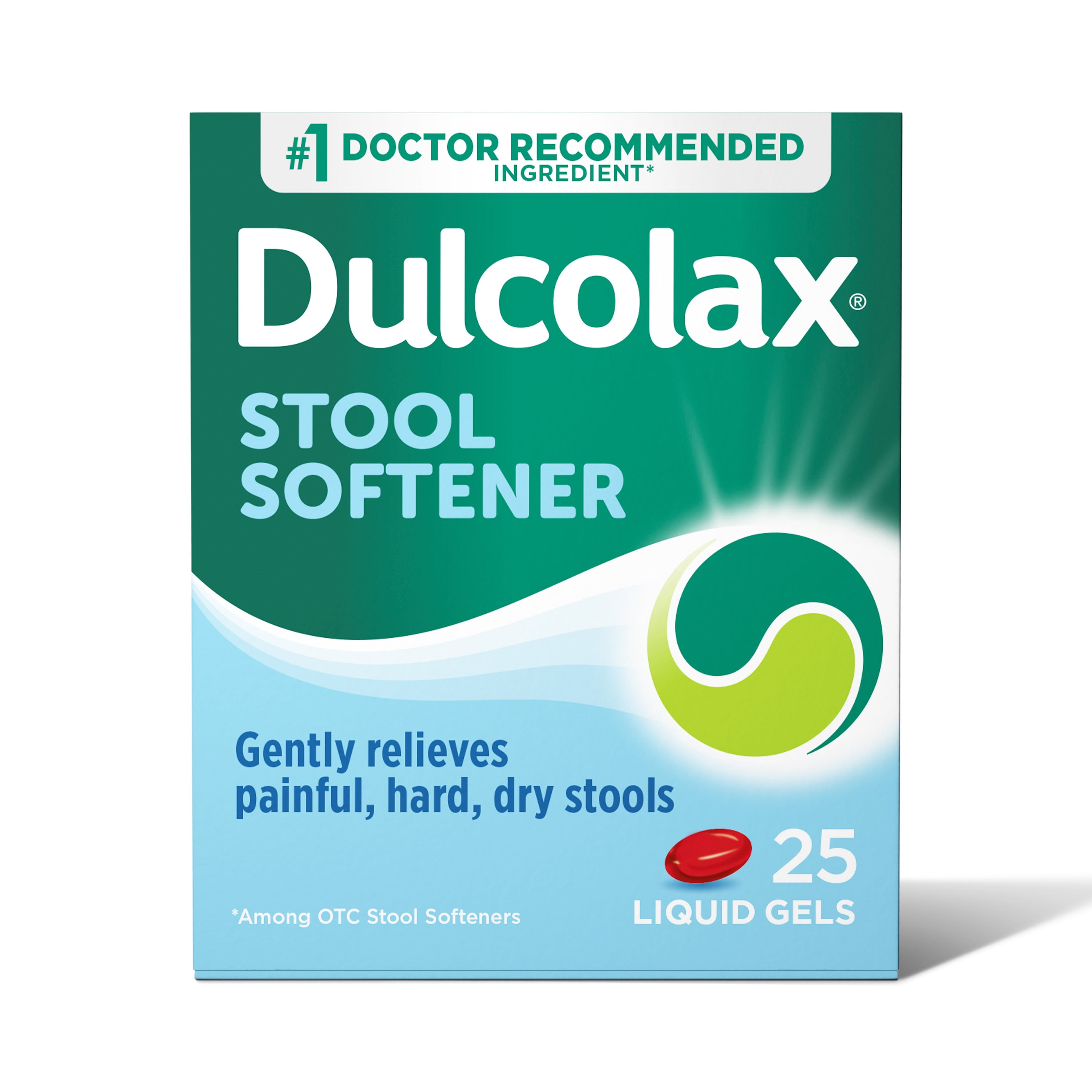
Stool softeners, such as docusate sodium (Colace), work by softening stool, making it easier to pass.
Mechanism of Action: They act as surfactants, allowing water and fats to penetrate the stool, softening it.
5. Lubricant Laxatives: Greasing the Wheels
Lubricant laxatives, such as mineral oil, work by coating the stool and intestinal walls, facilitating easier passage.
Mechanism of Action: They lubricate the stool and intestinal lining, reducing friction and promoting bowel movements.
6. Chloride Channel Activators: Increasing Intestinal Fluid Secretion
Chloride channel activators, such as lubiprostone (Amitiza) and linaclotide (Linzess), work by increasing fluid secretion in the intestine, softening stool and stimulating bowel movements.
Mechanism of Action: They activate chloride channels in the intestinal lining, increasing fluid secretion and accelerating intestinal transit.
7. Guanylate Cyclase-C Agonists: Promoting Intestinal Secretion and Motility
Guanylate cyclase-C agonists, such as plecanatide (Trulance), work by increasing fluid secretion and accelerating intestinal transit.
Mechanism of Action: They stimulate guanylate cyclase-C receptors in the intestinal lining, increasing fluid secretion and promoting bowel movements.
8. PAMORAs: Peripherally Acting Mu-Opioid Receptor Antagonists
PAMORAs, such as methylnaltrexone (Relistor), naloxegol (Movantik) and alvimopan (Entereg), are used to treat opioid-induced constipation (OIC).
Mechanism of Action: They block the effects of opioids on the mu-opioid receptors in the gut, without affecting the pain-relieving effects of opioids in the central nervous system.
Consult a healthcare professional: Before starting any new medication, especially if you have underlying health conditions or are taking other medications.
While occasional constipation is common, it’s essential to seek medical attention if you experience:
Severe abdominal pain
Constipation can be a frustrating and uncomfortable condition. However, with the right approach and appropriate medication, relief is often attainable. By understanding the different types of laxatives and their mechanisms of action, individuals can make informed decisions about their treatment options, in consultation with their healthcare providers.


