
The Power Within: Unveiling the Multifaceted Benefits of Probiotics
Probiotics, those tiny living microorganisms, have surged in popularity in recent years, becoming a staple in many health-conscious individuals’ routines. But beyond the catchy yogurt commercials and trendy kombucha bottles, lies a wealth of scientific evidence supporting their diverse and profound benefits. This article delves into the intricate world of probiotics, exploring their mechanisms of action and highlighting their potential to enhance various aspects of human health.
The human gut is home to a complex ecosystem of trillions of microorganisms, collectively known as the gut microbiota. This diverse community plays a crucial role in digestion, immunity, and overall well-being. Probiotics, when consumed in adequate amounts, contribute to this ecosystem by introducing beneficial bacteria that can positively influence its composition and function.
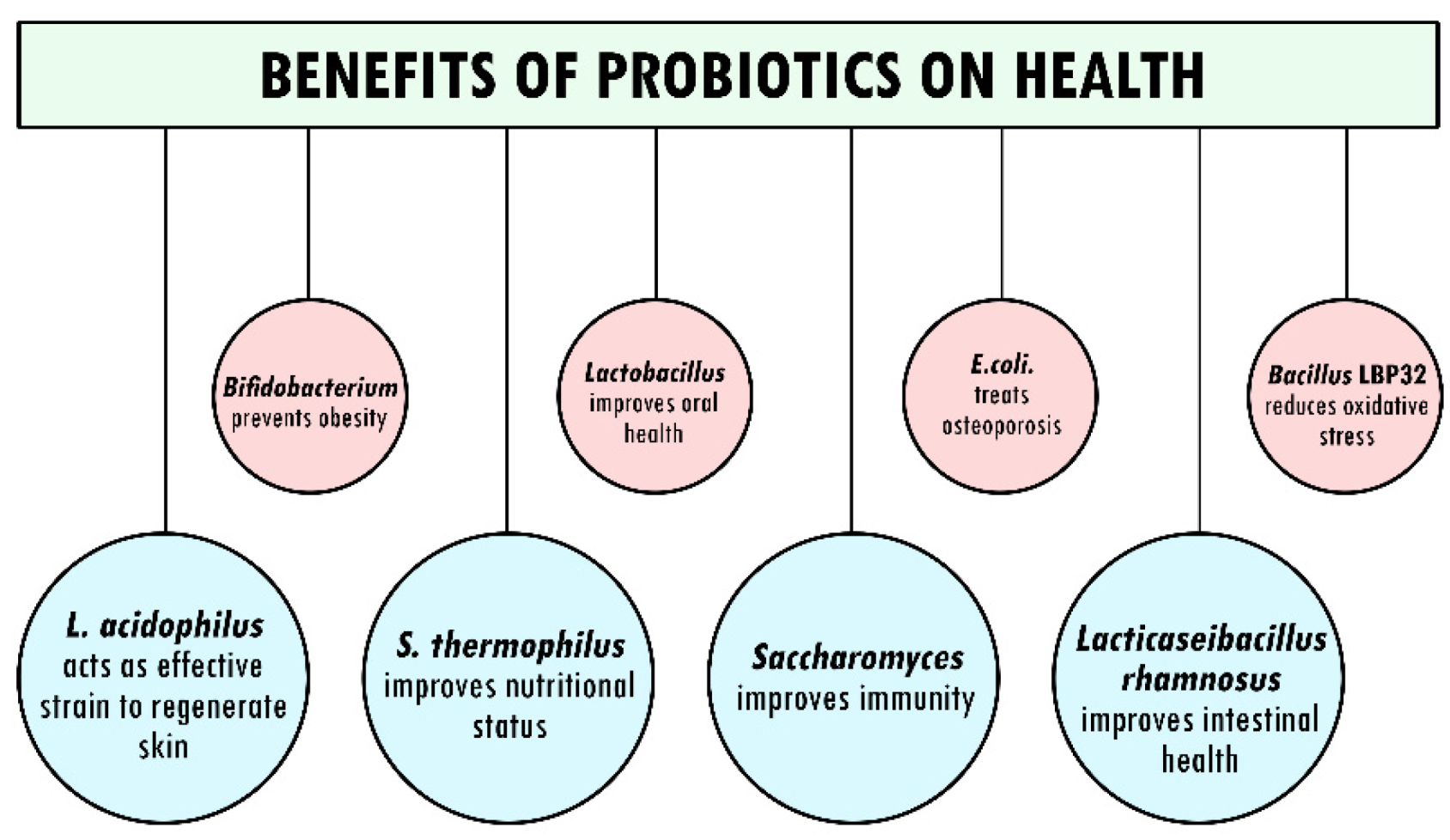
Probiotics exert their beneficial effects through a variety of mechanisms, including:
Competitive Exclusion:
Probiotics compete with harmful bacteria for nutrients and binding sites in the gut, effectively inhibiting their growth and colonization. This process helps maintain a healthy balance of microorganisms, preventing pathogenic bacteria from dominating the gut environment.
Enhanced Barrier Function:
Probiotics can strengthen the gut barrier, the protective lining of the intestines. They do this by stimulating the production of mucin, a gel-like substance that coats the intestinal lining, and by promoting the formation of tight junctions between intestinal cells. A strong gut barrier prevents harmful substances from entering the bloodstream and triggering inflammation.
Immune Modulation:

Probiotics interact with the immune system, influencing its response to pathogens. They can stimulate the production of antibodies, enhance the activity of immune cells, and modulate the production of cytokines, signaling molecules that regulate immune responses. This helps to bolster the body’s defenses against infections.
Production of Beneficial Metabolites:
Probiotics produce a variety of beneficial metabolites, including short-chain fatty acids (SCFAs), such as butyrate, propionate, and acetate. SCFAs serve as an energy source for colon cells, promote gut health, and have anti-inflammatory effects.
The potential benefits of probiotics extend to a wide range of health conditions, including:
Digestive Health:
Probiotics are well-known for their ability to alleviate digestive issues such as diarrhea, constipation, and irritable bowel syndrome (IBS). They can help restore the balance of gut bacteria disrupted by antibiotics, infections, or dietary changes.
Diarrhea:
Numerous studies have shown that probiotics can reduce the duration and severity of diarrhea, particularly antibiotic-associated diarrhea and infectious diarrhea.
Constipation:
Probiotics can improve bowel regularity and stool consistency in individuals with constipation.
Irritable Bowel Syndrome (IBS):
Probiotics can alleviate symptoms of IBS, such as abdominal pain, bloating, and altered bowel habits.
Immune System Support:
Probiotics play a vital role in supporting the immune system, helping to prevent infections and reduce the severity of allergies.
Respiratory Infections:
Some studies suggest that probiotics can reduce the frequency and duration of upper respiratory tract infections, such as colds and flu.
Allergies:
Probiotics may help to modulate the immune response to allergens, reducing the severity of allergic reactions.
Mental Health:
Emerging research suggests a link between the gut microbiota and mental health, known as the gut-brain axis. Probiotics may influence mood, anxiety, and cognitive function.
Anxiety and Depression:
Some studies have shown that probiotics can improve symptoms of anxiety and depression.
Cognitive Function:
Preliminary research suggests that probiotics may have a positive impact on cognitive function, including memory and attention.
Skin Health:
Probiotics may help to improve skin conditions such as eczema, acne, and psoriasis.
Eczema:
Probiotics can reduce the severity of eczema symptoms, such as itching and inflammation.
Acne:
Probiotics may help to reduce acne lesions by reducing inflammation and regulating sebum production.
Oral Health:
Probiotics can help to maintain a healthy balance of bacteria in the mouth, reducing the risk of cavities, gum disease, and bad breath.
Dental Caries:
Probiotics can inhibit the growth of bacteria that contribute to tooth decay.
Periodontal Disease:
Probiotics may help to reduce inflammation and promote healing in gum tissue.
Weight Management:
Some studies suggest that probiotics may play a role in weight management by influencing metabolism, appetite, and fat storage.
Weight Loss:
Certain strains of probiotics may help to promote weight loss and reduce body fat.
Metabolic Health:
Probiotics may improve insulin sensitivity and glucose metabolism, reducing the risk of type 2 diabetes.
Cardiovascular Health:
Preliminary research suggests that probiotics may have a positive impact on cardiovascular health by lowering cholesterol levels and blood pressure.
Cholesterol Levels:
Some studies have shown that probiotics can reduce total cholesterol and LDL cholesterol levels.
Blood Pressure:
Probiotics may help to lower blood pressure in individuals with hypertension.
Urinary Tract Health:
Probiotics can help to prevent urinary tract infections (UTIs) by inhibiting the growth of harmful bacteria in the urinary tract.
Urinary Tract Infections:
Probiotics can reduce the frequency of UTIs, particularly in women.
It is important to note that not all probiotics are created equal. Different strains of probiotics have different effects. Therefore, it is crucial to choose a probiotic that contains strains that have been scientifically proven to be effective for the specific health condition you are targeting.
Probiotics can be obtained from both food and supplements.
Fermented Foods:
Fermented foods such as yogurt, kefir, sauerkraut, kimchi, and kombucha are natural sources of probiotics.
Probiotic Supplements:
Probiotic supplements are available in various forms, including capsules, tablets, powders, and liquids. When choosing a supplement, it is important to look for products that contain live and active cultures and that have been tested for quality and potency.
Probiotics are generally considered safe for most people. However, individuals with weakened immune systems or certain medical conditions should consult with their healthcare provider before taking probiotics.
Research on probiotics is rapidly evolving, and new discoveries are constantly being made. The future of probiotics holds great promise for the prevention and treatment of a wide range of health conditions. As our understanding of the gut microbiota and its role in health continues to grow, probiotics are likely to become an increasingly important tool in the arsenal of preventive and therapeutic strategies.
Probiotics offer a multitude of potential health benefits, ranging from improved digestive health and immune function to enhanced mental well-being and skin health. By understanding the mechanisms of action and choosing the right strains, individuals can harness the power of these beneficial microorganisms to support their overall health and well-being. As research continues to unravel the intricate relationship between the gut microbiota and human health, probiotics are poised to play an increasingly significant role in promoting a healthier future.


